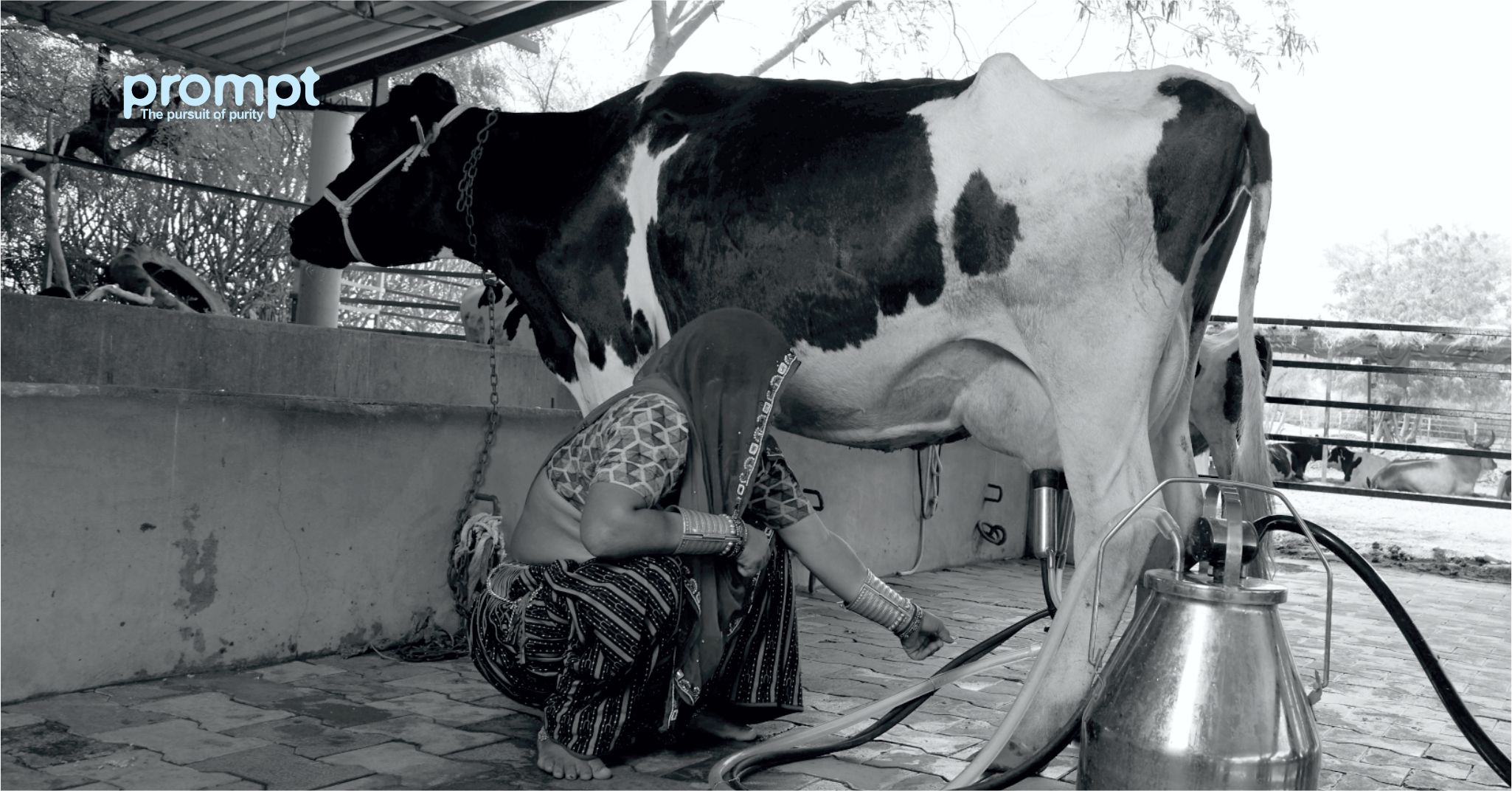
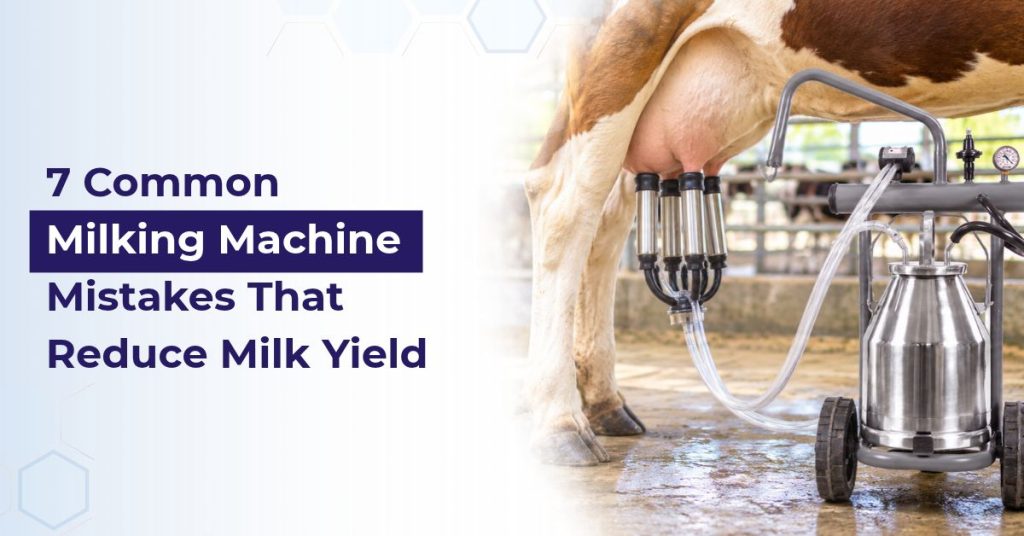
Milking machines have become a staple on many farms, offering not just convenience and speed, but sometimes even greater comfort for cows compared to hand milking. Yet, these machines can present hidden challenges that threaten cattle health, milk yield, and milk quality, ultimately impacting overall profits. In this article, we dive into the most frequent mistakes made by milking machine owners and how these missteps can impact your bottom line.
Why Proper Milking Practices Matters for Milk Yield
With so many breeds of cows and a patchwork of farm environments, milk yield can vary wildly not just between farms, but even from one cow to the next. While farmers rely on tried-and-true routines to coax the best yield each day, there are hidden influences at play beyond genetics. Everything from the farm’s atmosphere to the cow’s diet and the milking techniques used can tip the scales on daily milk production.
Some farmers prefer milking by hand. But for convenience and speed, they often use commercial milking machines that mimic hand milking and make the process more efficient. However, the process is susceptible to common mistakes that can significantly affect milk yield.
Common Milking Machine Mistakes that Impact Milk Yield
For farmers who want a spotless, closed milking system that wards off contamination, travels easily, and keeps up with growing herds, milking machines seem like the perfect answer. Yet, after bringing a portable milking machine into the farm, a few common missteps can still trip them up:
Lack of Teat Hygiene
Udders and teats are frequently exposed to environmental contaminants, increasing the risk of diseases such as mastitis. Not wiping down the teats before and after using the milking machine could not only increase the chances of the cow contracting such diseases, but it could also lead to low milk yield as a result of these conditions.
Incorrect Milking Machine Setup
Proper setup of milking machines prior to use is essential. Loosely fitted cups or misaligned suction heads could put the cow in discomfort, affecting its ability to properly produce milk.
Rough Handling the Cattle
To maintain adequate milk yield, cows should be kept calm and handled gently. Stressful or rough handling can cause discomfort and reduce milk yield, which, even in small amounts, can lead to significant losses over time.
Lack of Equipment Hygiene
Often, milk residue builds up inside the machine claw, hoses, and along other surfaces of the equipment. If the portable milking machine is not cleaned regularly and doesn’t go through proper Clean-In-Place processes, it could lead to the formation of blockages and biofilms that ultimately affect milk yield. Bacteria develop rapidly in such places, affecting cattle health and milk quality.
Improper Vacuum System Operations
Fluctuating vacuum levels could be a result of air leaks somewhere along the suction head or hose. Similarly, a malfunctioning pulsator could disrupt the massage-to-suction ratio, negatively impacting teat health, delaying milk let-down, and resulting in incomplete emptying of the udder, increasing the risk of mastitis.
Liner Wear and Cluster Misalignment
The teat liner comes directly in contact with the cow’s teats. Therefore, it is crucial that it remains intact throughout various milking sessions. Worn-out or fatigued liners experience build-up of milk over time, severely affecting milk production and reducing the speed and completeness of milking.
Similarly, improperly positioned clusters of the machine could create uneven vacuum distribution, leading to a negative impact on teat health.
Overmilking or Undermilking the Cattle
The milking process takes time and cannot be rushed. If farmers fail to properly time their milking process, it can either result in overmilking or undermilking the cattle. The former results in discomfort and damage to the udder, while the latter could lead to incomplete milk removal and lower production.
A milking machine can be a farmer’s secret weapon for boosting efficiency and milk yield, but only if used the right way. Solutions like the Prompt MilkEasy are crafted to keep cattle comfortable while making milking faster. By automating the process, they help farmers save on manual labour. Unlike standard machines, features like a smooth-locking suction mechanism help protect cattle from injury.
An automated milking machine like the Prompt MilkEasy can be a real time and money saver, all while keeping milk quality at its best. Want to see how it could streamline your routine? Schedule a call today.
Frequently Asked Questions
1. What are the most common milking machine mistakes farmers make?
Some of the most common mistakes include poor teat hygiene, incorrect machine setup, inadequate equipment cleaning, fluctuating vacuum levels, delayed liner replacement, and overmilking or undermilking cattle.
2. Can incorrect vacuum settings affect cow health?
Yes. Vacuum levels that are too high or unstable can damage teat tissue.
3. Why is my milking machine not collecting all the milk?
Incomplete milking may be caused by vacuum leaks, pulsator issues, worn liners, cluster misalignment, or incorrect machine settings that prevent proper milk removal.
4. How does poor milking machine maintenance affect dairy operations?
Poor maintenance can lead to bacterial contamination, thus reducing milk quality, increasing mastitis risk, and lowering milk production.
5. Is an automated milking machine worth the investment?
For many dairy farmers, automated milking machines can improve milking efficiency, reduce labour costs, and improve cattle comfort, leading to higher productivity over time.